Microneedling in Mount Pleasant: A Registered Nurse's Guide to Collagen Induction Therapy
Collagen production drops about one percent every year after age 25 — and faster still through perimenopause. That decline shows up as fine lines, slack texture, and skin that doesn't bounce back the way it used to. Medical microneedling is one of the few in-office treatments with strong, peer-reviewed evidence for actually rebuilding the collagen and elastin you've lost — not just polishing the surface for a weekend.
If you've been researching microneedling in Mount Pleasant or anywhere across the Charleston area, this guide walks through exactly how the treatment works, what it can and can't do for your skin, what a real session looks like start to finish, and why the credentials of the person holding the device matter just as much as the device itself.
What Medical Microneedling Actually Does
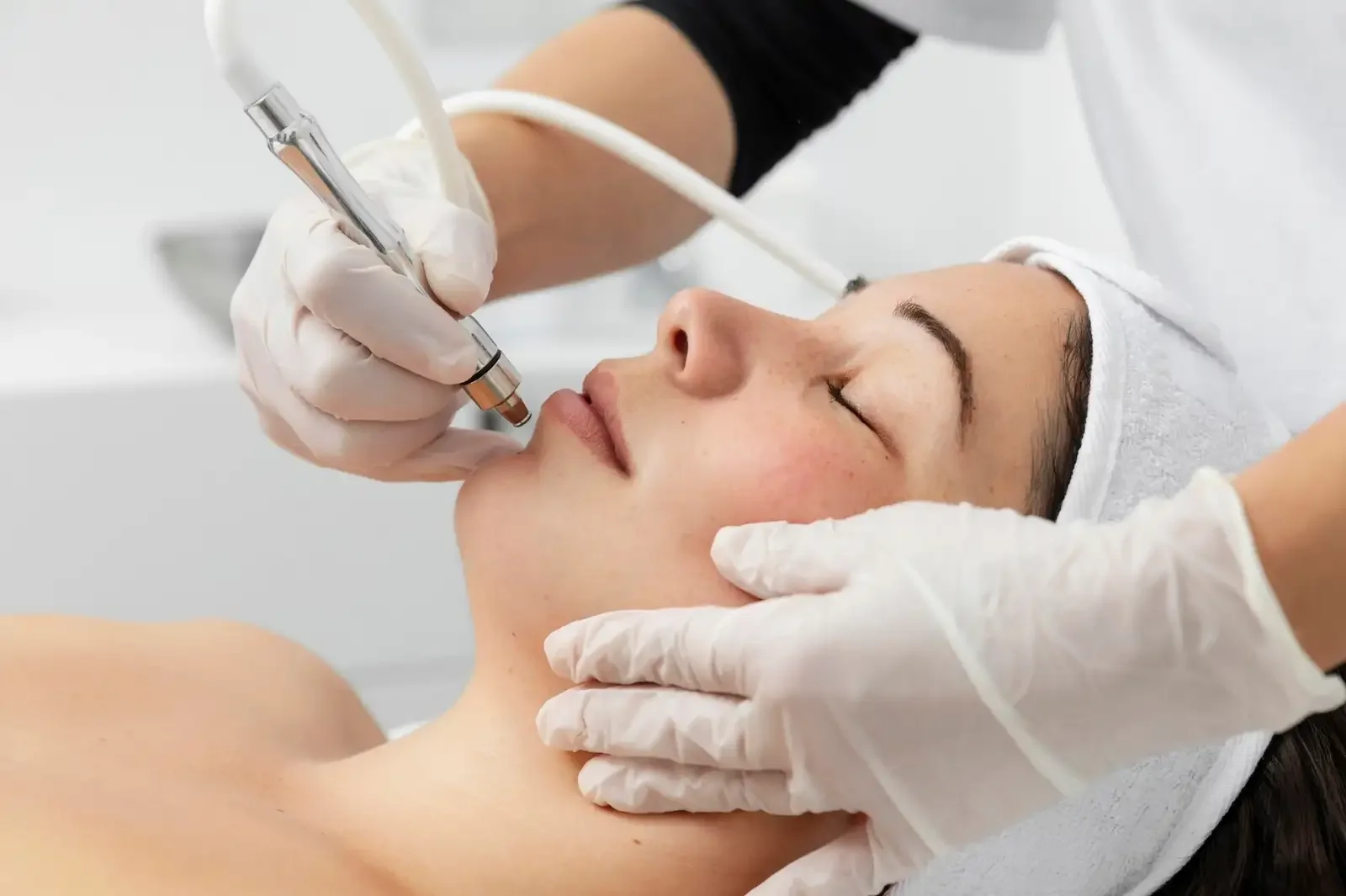
Microneedling — sometimes called collagen induction therapy — uses a precision pen with sterile, single-use micro-needles to create thousands of controlled micro-channels in the upper layers of the skin. These tiny injuries are far too small to scar, but they are absolutely enough to trigger the body's natural wound-healing cascade.
Within 48 hours, fibroblasts begin laying down new type-III collagen. Over the next 4 to 12 weeks, that immature collagen remodels into stronger, more organized type-I collagen — the kind that gives skin firmness, structure, and the ability to recover from creasing. The skin you see at week six is structurally different from the skin you walked in with.
The medical-grade devices used at our clinical studio in Mount Pleasant are very different from the at-home rollers sold online. Professional microneedling devices are FDA-cleared, sterile, single-use, and precisely controllable in depth and device speed — which matters because different concerns require different needle depths. Surface texture and dullness sit shallow. Stretch marks, deeper acne scars, and lax skin require depth controls only a trained provider should be setting.
What Microneedling Treats — and What It Doesn't
Helping clients have realistic expectations is key . Microneedling is incredibly effective for fine lines and wrinkles, uneven skin texture, post-acne scarring (boxcar, rolling, and ice-pick types), enlarged pores, dull or rough skin, mild laxity, and stretch marks. It also pairs especially well with topical actives because those micro-channels temporarily improve absorption of the right post-care serums.
Microneedling cannot reverse:
deep, static wrinkles around the eyes and forehead
Significant sagging from volume loss
Active cystic acne, eczema flares, rosacea flares, or open wounds are all reasons to wait.
A properly trained provider will tell you when microneedling is not the right option for you and will be able to make a recommendation for a provider that may be able to help.
Who Is the Right Candidate
Most healthy adults with realistic expectations are good candidates. Patients with darker skin tones (Fitzpatrick IV–VI) often choose microneedling specifically because it carries a much lower risk of post-inflammatory hyperpigmentation than ablative laser resurfacing — making it one of the safer collagen-building options for melanin-rich skin. If you're pregnant, breastfeeding, on isotretinoin (Accutane), or have a personal history of keloid scarring, that should come up at your consultation in Mount Pleasant before you book.
What a Real Microneedling Appointment Looks Like
A clinical microneedling session at Skin Glow Collective in Mount Pleasant is structured, never rushed, and runs about 75 to 90 minutes from start to finish. The actual needling itself is closer to 25 minutes — the rest of the visit is consultation, prep, and post-care.
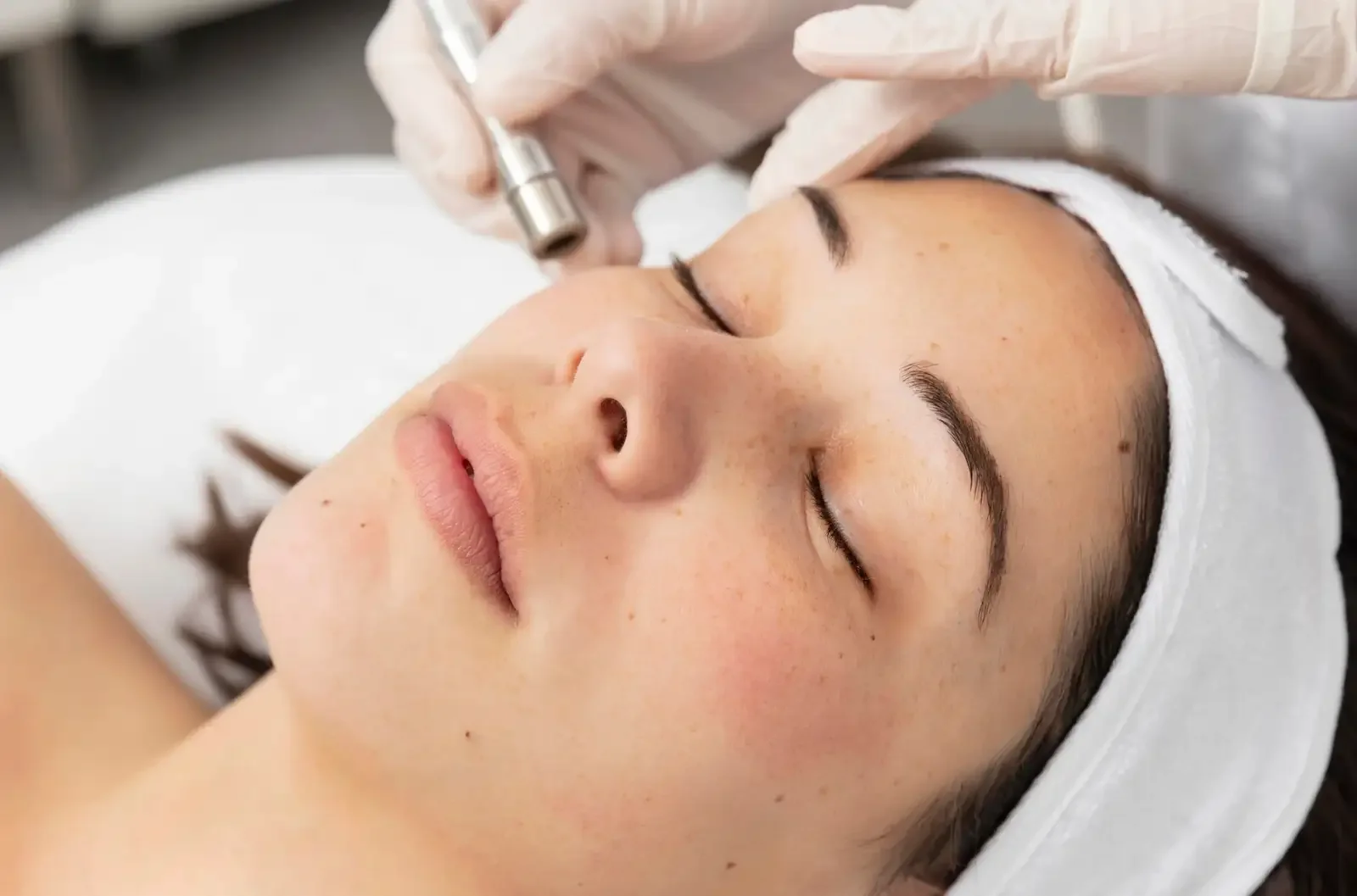
The visit starts with a focused skin assessment under clinical lighting. Samantha Katz, BSN, RN, will review your medical history, current medications, recent treatments, and goals for the session. A topical numbing compound is applied for about 20 minutes. Once you're comfortable, the skin is cleansed thoroughly and the microneedling pen glides across the treatment area in a deliberate, gridded pattern. Most clients describe the sensation as a buzzing vibration with mild prickliness — uncomfortable in moments (upper lip and forehead are more sensitive), but very tolerable from start to finish.
Immediately after, your skin will look pink to red, similar to a moderate sunburn. A calming, hydrating serum and a barrier-supporting moisturizer are applied. You leave with clear, written post car instructions and a post-care kit that includes everything you need for the next 72 hours — no last-minute pharmacy run, no guessing at what's safe to use that night.
Recovery and the Real Results Timeline
Day one and two: pink to red skin, mild tightness, possibly a little pinpoint bleeding that resolves the same day.
Day three: the redness fades, and your skin may feel rough or slightly flaky as cells turn over. Day four to seven: most people are back to looking normal, can resume mineral makeup, and start to notice the early "glow." That early radiance is the surface result — the structural change is happening underneath.
Collagen remodeling takes time. Most patients see meaningful improvement starting at week four, with peak results around three months post-treatment. For texture concerns, four sessions spaced four to six weeks apart is the standard protocol. For deeper acne scarring, six to eight sessions is more realistic. Maintenance is typically every other month for a year once your initial series is complete.
In Person Consultation with Sam
Why the Provider Matters More Than the Machine
Microneedling has become widely available — every spa in the Charleston area seems to offer it. But the device alone doesn't determine your outcome. Depth setting, pressure, technique, safety protocols, and the ability to recognize contraindications are what separate a safe, effective treatment from one that wastes your money or, worse, causes scarring or pigmentation that takes months to correct.
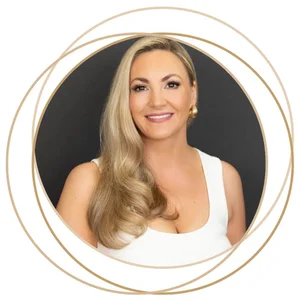
Samantha Katz, BSN, RN, is a Registered Nurse and Licensed Aesthetician with more than 20 years of clinical healthcare experience. Every microneedling session at Skin Glow Collective is performed personally by Samantha — never delegated, never rotated to a different provider mid-series. The depth is dialed in based on the specific concern in front of her, not a one-size-fits-all template chosen at the front desk.
How Microneedling Fits With Other Treatments
Microneedling rarely lives in isolation. It works best when it's positioned thoughtfully around the rest of your skin plan. A common Mount Pleasant protocol looks something like this: a calming, hydrating facial four to six weeks before the first microneedling session to optimize skin barrier health, then the three-session microneedling series spaced four to six weeks apart, then a brightening DiamondGlow or dermaplaning facial in the weeks between to maintain that polished surface while collagen continues to remodel underneath.
What to avoid pairing it with: aggressive resurfacing lasers within four weeks before or after, deep chemical peels in the same window, and any treatment that disrupts the skin barrier while it's still healing. Botox and filler are fine to schedule around microneedling — most providers prefer to do those treatments either the same day or one to two weeks apart, depending on placement.
Microneedling at Skin Glow Collective in Mount Pleasant
Skin Glow Collective is conveniently located at 1031 Chuck Dawley Blvd in Mount Pleasant and serves clients across Charleston, Old Village, Sullivan's Island, and Isle of Palms. Microneedling is part of a broader menu of advanced clinical skin treatments, and Samantha frequently pairs it with a complementary modality — like dermaplaning the week before, or a calming customized facial in the weeks between sessions — to maximize how your skin responds.
Every plan starts with a one-on-one consultation. If microneedling isn't the right starting point for your skin, you'll be told so and pointed to the option that is. Book your consultation with Samantha to map out a treatment plan built around your timeline, your skin, and your goals.
Frequently Asked Questions
How many microneedling sessions will I need to see results?
Most patients book a series of four sessions spaced four to six weeks apart for general texture, tone, and fine line concerns. Acne scarring typically requires six to eight sessions to see significant change. You'll often notice an early surface glow within the first week, but the structural collagen remodeling peaks around three months after each treatment, so the most dramatic improvements show up after the full series is complete.
Does microneedling hurt?
It's a manageable buzzing or prickling sensation, not sharp pain. A topical numbing compound is applied for about 10 minutes before the session, and most clients describe the actual treatment as surprisingly comfortable. Sensitive areas like the upper lip, forehead, and nose can feel a little more intense than the cheeks, but it's brief.
How is microneedling different from a regular facial?
A facial works on the surface — cleansing, exfoliating, hydrating, and supporting the skin barrier. Microneedling works in the dermis, where collagen is built. Facials maintain healthy skin; microneedling rebuilds it. Most clients in Mount Pleasant alternate the two — corrective microneedling sessions a few times a year, with maintenance facials in between.
Is microneedling safe for darker skin tones?
Yes — it's actually one of the safer collagen-building treatments for Fitzpatrick IV through VI skin because it doesn't rely on heat or light energy that can trigger post-inflammatory hyperpigmentation. The mechanical action of the needles spares melanocytes. That said, technique and post-care still matter, which is why provider experience is non-negotiable for melanin-rich skin.
How soon can I wear makeup after microneedling?
Plan to skip makeup for a full 24 hours minimum, ideally 48. The micro-channels created during treatment stay open briefly and you don't want anything but recommended post-care products in them. By day three, mineral makeup is generally fine. Mineral sunscreen, on the other hand, is non-negotiable from day one onward — your skin is more vulnerable to UV during the recovery window.