How to Fade Sun Spots and Hyperpigmentation After Summer in Charleston, SC
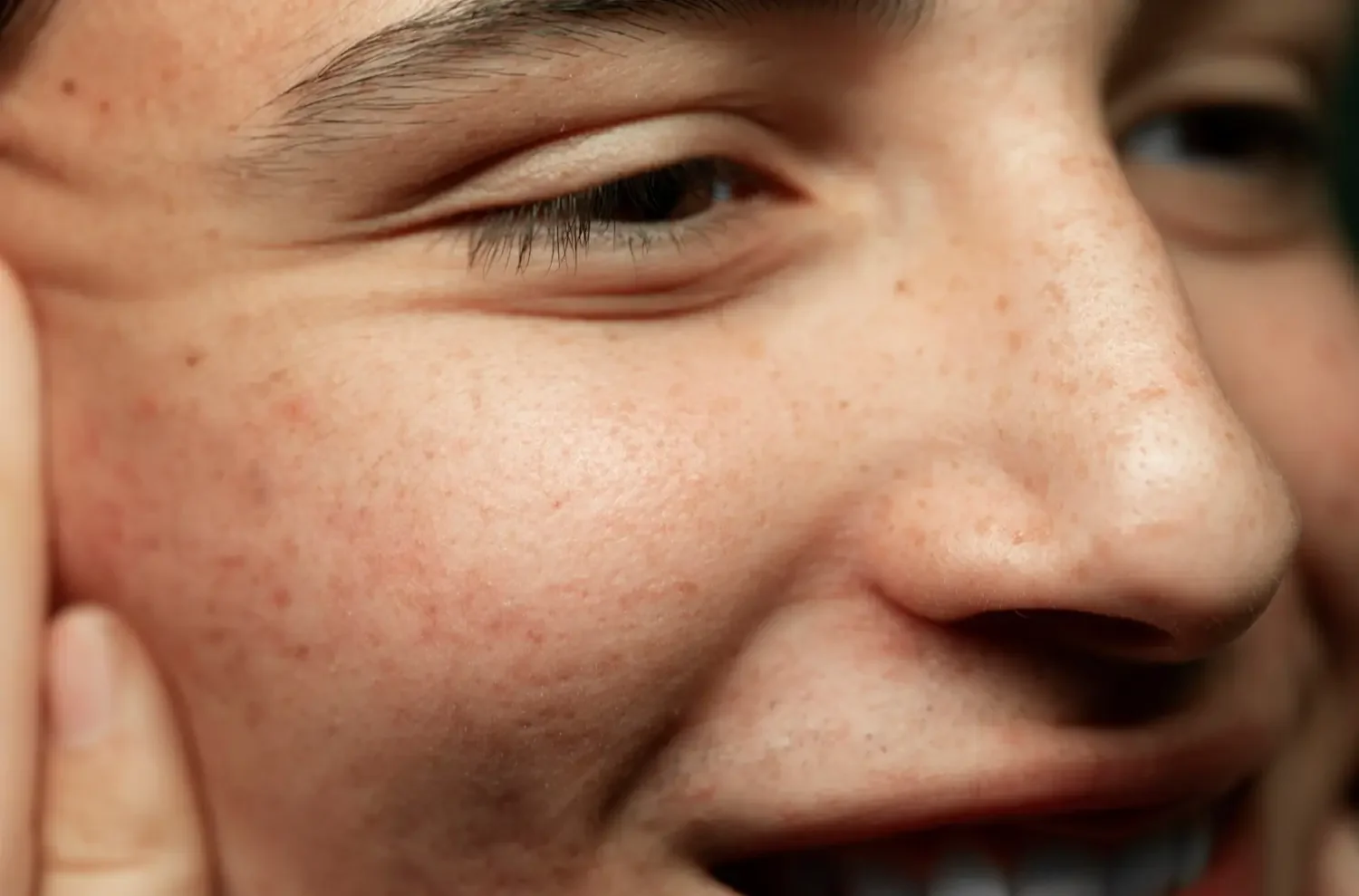
Charleston summers are beautiful. They are also relentless on your skin. By late July, many clients walking into Skin Glow Collective in Mount Pleasant share the same story: dark patches that deepened in June, spots that appeared on the chest or cheeks seemingly overnight, and an overall unevenness to their skin tone that sunscreen alone could not prevent. If that sounds familiar, you are not imagining it, and you are far from alone.
South Carolina sits in the Sun Belt. The Lowcountry's combination of intense UV radiation, high humidity, outdoor lifestyle, and reflective coastal surfaces makes it one of the most challenging environments in the country for pigmentation management. Clients who are diligent about SPF, wide-brim hats, and sun avoidance still often see meaningful hyperpigmentation changes every summer because cumulative UV exposure adds up even through best practices.
The encouraging news: you do not have to wait until September to start addressing it. Our summer-safe chemical peel series was specifically designed for this climate and this moment. It is formulated for year-round use in South Carolina's heat, requires zero downtime, and does not increase sun sensitivity when you apply SPF consistently. This guide covers everything you need to know about what is happening in your skin, what treatments address it best, and how to build a protocol that produces lasting results.
What Is Hyperpigmentation and Why Does It Happen?
Hyperpigmentation is not a single condition. It is an umbrella term for any situation in which excess melanin, the pigment produced by melanocyte cells in the skin, creates localized areas of darker color. Understanding the biology behind it matters because it helps explain why certain treatments work, and why others do not.
Your skin's melanocytes are always producing melanin. In healthy, undisturbed skin, this production is relatively even and the pigment is distributed consistently across the skin's surface layers. When melanocytes are stimulated by UV radiation, inflammation, or hormonal changes, they produce significantly more melanin in localized areas, and that excess pigment becomes visible as spots, patches, or overall uneven tone.
The key challenge with hyperpigmentation is that melanin deposits can occur at different depths in the skin. Superficial pigmentation sits in the epidermis and responds faster to surface treatments like chemical peels. Deeper pigmentation in the dermis requires treatments that penetrate further, which is where medical microneedling combined with a chemical peel becomes relevant, and why we will build toward that protocol in fall.
The Three Most Common Types of Hyperpigmentation in Lowcountry Clients
Sun Spots (Solar Lentigines)
Sun spots are the most common type of hyperpigmentation seen in Mount Pleasant and Charleston clients, and the most directly linked to our coastal lifestyle. These are flat, well-defined, darkened patches caused by cumulative UV exposure over years and decades. They appear most commonly on the face, hands, chest, shoulders, and anywhere that receives regular sun exposure.
Sun spots are primarily epidermal, meaning they sit in the skin's upper layers, which makes them among the most responsive to a professional chemical peel series. Most clients see meaningful fading within 2 to 3 sessions and significant improvement over a complete 6-session series.
Melasma
Melasma presents as larger, often irregular patches of brown or grayish pigmentation, commonly appearing on the forehead, cheeks, upper lip, and jawline. It is driven by a combination of UV exposure and hormonal factors, which is why it is significantly more common in women, particularly those on hormonal contraceptives, during pregnancy, or going through perimenopause.
Melasma is notoriously stubborn and heat-sensitive in addition to UV-sensitive. In South Carolina summers, even clients who avoid direct sun exposure can see melasma worsen because ambient heat and residual UV (even on overcast days) continue to trigger melanin production. This is why treatment must start now rather than waiting for fall, and why consistent SPF use is non-negotiable throughout the year.
Chemical peels address the epidermal component of melasma effectively. For deeper melasma, the microneedling and chemical peel combination that we focus on in fall is typically the most effective non-laser approach available, reaching the dermal melanin deposits that surface peels alone cannot address.
Post-Inflammatory Hyperpigmentation (PIH)
Post-inflammatory hyperpigmentation is the dark mark left behind after a breakout, pimple, skin injury, or any inflammatory event. If you have ever noticed that a pimple heals and leaves a dark spot that lingers for weeks or months, you have experienced PIH. It is particularly common in medium to darker skin tones and can be significantly worsened by UV exposure during the inflammatory or healing phase.
Summer in the Lowcountry can be especially challenging for PIH because sun exposure deepens and prolongs these marks at exactly the time when outdoor activity is at its peak. Our summer-safe chemical peel series accelerates the cell turnover that fades PIH while being gentle enough not to trigger new inflammation.

Why the Lowcountry Summer Creates the Perfect Storm for Pigmentation
Most discussions of sun damage talk about UV index as if it is the only variable. In coastal South Carolina, there are several additional factors that compound the challenge for skin pigmentation:
UV intensity and angle: South Carolina receives some of the highest annual UV doses in the continental United States. The sun angle in summer means UV reaches the skin more directly than in northern states, with UVA (the aging and pigmentation-driving wavelength) penetrating cloud cover and glass.
Water and sand reflection: activities on Sullivan's Island, Isle of Palms, Folly Beach, and Kiawah Island involve significant UV reflection from water and white sand, which can effectively double exposure even with overhead shade.
Heat and inflammation: humidity and heat increase baseline skin inflammation, which elevates melanocyte activity independently of UV. This is one reason why clients with melasma often see worsening during summer even when they are careful about sun avoidance.
Outdoor lifestyle by default: Mount Pleasant residents are more likely to be outdoors year-round than people in northern climates, meaning cumulative UV exposure accumulates faster than annual averages suggest.
Inconsistent SPF application: studies consistently show that even well-intentioned SPF users apply about 25 to 50 percent of the recommended amount, and almost no one reapplies every 2 hours. In South Carolina summer, this gap matters significantly more than it does in October.
lations, IPL laser, and some prescription topicals, increase photosensitivity. This means they make your skin more reactive to UV radiation, which creates real risks of worsening pigmentation or burning if you spend time in the sun during the treatment period. In a state where sun avoidance in summer is nearly impossible to guarantee, these treatments carry meaningful risk.
Our summer-safe chemical peel series was selected specifically because it does not increase photosensitivity when proper SPF protocols are followed. It uses a formulation that exfoliates and renews the skin without compromising its UV protection capacity. You do not need to become a hermit between appointments. You do need to wear SPF 30+ daily, which should already be part of your routine regardless of whether you are receiving treatment.
ACTION REQUIRED: Sam: Insert summer peel product/brand name throughout this section before publishing.
The Summer-Safe Chemical Peel Series: How It Works and What to Expect
Our chemical peel series is offered as 6 treatments spaced approximately 2 to 4 weeks apart. Each session builds on the previous one, creating a compounding improvement in tone, texture, and radiance that accelerates progressively over the course of the series.
How the Peel Addresses Hyperpigmentation
At its core, a professional chemical peel works by applying a formulated solution that loosens the adhesion between dead and damaged skin cells at the surface, accelerating the natural process of cell turnover. In healthy skin, this turnover cycle takes approximately 28 to 30 days. A chemical peel can compress this into a shorter window, which means newer, undamaged, more evenly pigmented skin is revealed faster than it would be through the body's natural process alone.
For hyperpigmentation specifically, this accelerated turnover serves two purposes. First, it removes melanin-heavy cells from the surface layer more quickly, making existing spots and patches visibly lighter. Second, it interrupts the cycle of melanin overproduction by clearing the damaged cells that were triggering ongoing pigment production.
Our summer-safe formulation also incorporates hydrating and anti-inflammatory actives that support the skin's barrier function throughout the treatment series, minimizing the dehydration and sensitivity that can sometimes accompany more aggressive peel protocols.
What Each Session Feels Like
Every appointment at Skin Glow Collective begins with a thorough skin assessment. Samantha Katz, BSN, RN reviews your skin's response since the previous session, adjusts the treatment plan if needed, and answers any questions before anything touches your face.
The peel application itself is brief and typically well-tolerated. Most clients experience a mild tingling or warming sensation during the several minutes the solution remains in contact with the skin. The peel is then neutralized and removed, followed by soothing serums, targeted hydration, and mineral SPF. Total appointment time is typically 45 to 60 minutes.
There is no meaningful recovery period. Most clients return to normal activities immediately. Some mild redness or subtle flaking may be present for a few hours after the first session; by the second or third session, most clients have no visible post-treatment reaction at all.
What Results to Expect and When
Here is a realistic timeline for what most clients experience over the 6-session series:
Sessions 1 to 2: skin feels smoother and looks brighter. Superficial sun spots may begin to fade. Overall tone starts to even out.
Sessions 3 to 4: more significant fading of sun spots and PIH marks. Melasma patches typically begin to lighten. Texture improvement becomes clearly noticeable. Many clients notice that their skin photographs better.
Sessions 5 to 6: cumulative results are at their peak. Significant reduction in overall pigmentation, visibly more even tone, and improved radiance that holds between sessions.
After the series: results continue to improve for 4 to 6 weeks as the final round of cell turnover completes. Maintenance sessions every 6 to 8 weeks help sustain results through fall and winter.
Individual results vary based on skin type, the depth and type of pigmentation, consistent SPF use between sessions, and lifestyle factors. Samantha will give you an honest, personalized assessment at your consultation.
Book Your Chemical Peel Consultation
The Role of SPF: Non-Negotiable, Not Optional
No discussion of hyperpigmentation treatment is complete without a direct conversation about SPF. Professional treatment accelerates the fading of existing pigmentation, but UV radiation is continuously triggering new melanin production. Without consistent, adequate sun protection, every session of treatment is working against an active trigger.
The standard recommendation is SPF 30+ applied every morning as the final step of your routine, regardless of whether you plan to be outdoors. UVA radiation, which is the wavelength primarily responsible for pigmentation and aging, penetrates glass and cloud cover. Driving to work, sitting near a window, and spending 10 minutes walking to your car all contribute to cumulative UV exposure.
During your treatment series, Samantha will recommend specific SPF formulations based on your skin type and any sensitivities. Mineral SPF (zinc oxide and/or titanium dioxide) is generally preferred for clients in active treatment because it sits on the skin's surface rather than requiring absorption, which minimizes any post-treatment sensitivity.
For Deeper Pigmentation: Building Toward the Fall Microneedling and Chemical Peel Protocol
For clients with more significant hyperpigmentation, including deep melasma, longstanding sun damage, or PIH from years of acne scarring, a chemical peel series alone may address the surface effectively while leaving deeper dermal pigmentation deposits relatively unchanged. This is where the combination of medical microneedling and a chemical peel becomes the most effective approach available outside of laser treatment.
How Medical Microneedling Addresses Hyperpigmentation
Medical microneedling, also called collagen induction therapy, uses a sterile cartridge of fine needles to create controlled micro-channels in the skin's surface. These micro-channels serve two functions relevant to hyperpigmentation treatment.
First, the controlled micro-injury triggers a healing response that stimulates new collagen and elastin production in the dermis. As part of this remodeling process, older and more melanin-dense skin cells are replaced with newer, more evenly pigmented ones, addressing pigmentation at a structural level rather than just at the surface.
Second, the micro-channels created by microneedling allow topical brightening agents, including vitamin C, tranexamic acid, niacinamide, and other melanin-suppressing actives, to penetrate significantly deeper than they can reach through intact skin alone. This means that the serums applied during and after a microneedling session reach the dermal melanin deposits that surface treatments cannot address.
Why the Combination Outperforms Either Treatment Alone
ghtening actives to penetrate further. Together, they address hyperpigmentation at every relevant depth simultaneously, creating a compounding improvement that neither delivers as effectively on its own.
For clients with melasma, this combination is particularly powerful. Melasma has both an epidermal and a dermal component, and treatments that only address the surface often achieve partial results that fade quickly when UV exposure resumes. The dual-depth approach of microneedling plus a chemical peel addresses both components in a planned protocol.
Is This a Real Alternative to Laser for Pigmentation?
For many clients, yes. Laser treatments, particularly IPL (intense pulsed light) and fractional lasers, have historically been the gold standard for significant hyperpigmentation. But they come with real trade-offs: significant cost (often $500 to $1,500 per session), strict post-treatment sun avoidance requirements, downtime ranging from several days to weeks depending on the intensity, and limitations for darker skin tones that create higher risk of post-laser hyperpigmentation.
The microneedling and chemical peel combination addresses pigmentation at a fraction of the cost with no extended downtime, no strict sun avoidance protocol beyond standard SPF use, and safety across a wider range of skin tones. Results are cumulative rather than immediate, but for many common pigmentation concerns, the outcomes are comparable to what clients achieve with laser.
This fall at Skin Glow Collective, we will be placing a focused emphasis on this combination as a clinically effective alternative to laser for clients across Mount Pleasant and the Lowcountry. Clients who begin their chemical peel series now will have their skin primed, clearer, and more receptive to microneedling when we begin the fall protocol, delivering better results in less total treatment time.

At-Home Care That Supports Your In-Clinic Results
Professional treatment delivers results that at-home products alone cannot achieve, but the right at-home routine dramatically extends and amplifies what you accomplish in the treatment room. Here are the non-negotiable elements for anyone in a hyperpigmentation treatment program:
SPF 30+ daily, applied as the final morning step, reapplied every 2 hours if outdoors. Mineral formulas preferred during active treatment.
A gentle, non-stripping cleanser that does not compromise the skin's barrier between sessions.
A vitamin C serum in the morning, which works alongside SPF to neutralize free radical damage from UV and supports the brightening process between appointments.
A niacinamide or tranexamic acid serum in the evening, which interrupts melanin transfer in the skin and provides ongoing brightening support.
Adequate hydration: the skin barrier needs moisture to perform its protective function effectively. A good moisturizer is not optional.
Avoiding heat exposure in the 24 to 48 hours after treatment, which can temporarily increase skin reactivity.
Samantha will recommend specific products from the professional lines she carries, including Alastin, SkinBetter Science, iS Clinical, SkinCeuticals, and ISDIN, based on your skin type and budget during your consultation.
What Makes Skin Glow Collective Different for Pigmentation Treatment
There are estheticians, med spas, and dermatology offices throughout the Mount Pleasant and Charleston area offering chemical peels and hyperpigmentation treatments. Here is what separates the Skin Glow Collective experience:
Samantha Katz, BSN, RN is a Registered Nurse with 20+ years of clinical experience, not an esthetician or a medical assistant. Her clinical training means she evaluates your skin through a healthcare lens: she assesses contraindications carefully, understands how medications and health conditions affect treatment response, and can recognize and manage unexpected reactions.
Every appointment is one-on-one with Samantha. There are no junior staff, no assistants performing treatments while the lead provider consults on another client, and no generic protocols applied without assessment.
Treatment plans are adjusted at every visit based on how your skin has responded. This is clinical skincare, not a spa menu item.
The summer-safe peel formulation was specifically selected for the Lowcountry's climate and lifestyle. Samantha is not applying a treatment designed for a February appointment in Minnesota to a client who spends weekends on Sullivan's Island.
Progress is tracked with photos and notes at each visit, so you have a clear, documented record of your improvement over the series. This is standard clinical practice, not something most esthetics studios offer.
Located at 1031 Chuck Dawley Blvd, Suite 5, Mount Pleasant, SC 29464, minutes from Old Village, Shem Creek, Sullivan's Island, Isle of Palms, and Daniel Island. All appointments are by request.
Call or Text: (843) 606-0402
Frequently Asked Questions: Hyperpigmentation Treatment in Charleston, SC
What is the best treatment for sun spots in Mount Pleasant, SC?
A professional chemical peel series is one of the most effective summer-safe options for sun spots in coastal South Carolina. For deeper or more longstanding sun damage, the combination of medical microneedling and a chemical peel delivers results comparable to many laser treatments without the downtime, sun avoidance requirements, or cost of laser.
Can I treat hyperpigmentation in the summer in South Carolina?
Yes, with the right treatment. Our summer-safe chemical peel series is specifically formulated for year-round use in South Carolina's climate. It does not increase photosensitivity when SPF 30+ is applied consistently. Most treatment options that are NOT safe in summer (IPL, certain stronger peels, some lasers) require strict sun avoidance that is difficult to guarantee in a coastal state in July.
How many chemical peel sessions does it take to fade sun spots?
Most clients see visible improvement after 2 to 3 sessions, with the most significant overall results achieved through a complete series of 6. The timeline depends on the type and depth of pigmentation, your skin tone, how consistently you use SPF between sessions, and how much ongoing UV exposure you receive. Samantha will give you a realistic projection at your consultation.
What is the difference between a sun spot and melasma?
Sun spots (solar lentigines) are caused primarily by cumulative UV exposure, are typically well-defined and localized, and sit primarily in the skin's upper layers, making them highly responsive to chemical peels. Melasma is driven by both UV and hormonal factors, presents as larger irregular patches, and can have both a surface and a deeper dermal component. Melasma generally takes longer to treat and responds best to the combination of microneedling and a chemical peel for comprehensive results.
Will my hyperpigmentation come back after treatment?
Pigmentation can return with continued UV exposure, hormonal changes, or skin inflammation. Professional treatment does not permanently eliminate melanocytes or change their sensitivity to triggers. This is why SPF is non-negotiable throughout the year, not just during treatment, and why maintenance sessions every 6 to 8 weeks sustain results long-term.
Is a chemical peel safe for darker skin tones?
Yes, when performed by a qualified provider using the appropriate formulation and strength. Our summer-safe peel is safe across all Fitzpatrick skin types. Samantha's clinical training as a Registered Nurse includes assessment of skin tone and appropriate protocol modification, which is critical for avoiding the post-inflammatory hyperpigmentation that can result from peels that are too aggressive for a given skin tone.
Can microneedling help with hyperpigmentation?
Medical microneedling is effective for hyperpigmentation because it creates channels that allow brightening serums to reach deeper melanin deposits that surface treatments cannot address, and because the skin remodeling it triggers replaces pigmentation-heavy cells with newer, more evenly toned ones. It is most powerful when combined with a chemical peel as part of a planned dual-treatment protocol.
What is the difference between a professional chemical peel and at-home peels?
Professional chemical peels use clinical-grade formulations at concentrations that produce meaningful cell turnover at a depth that at-home products cannot safely achieve. Professional peels also involve trained assessment before application, specific timing and neutralization procedures, and post-treatment care that maximizes results while minimizing risk. At-home peels can be a useful maintenance supplement between professional sessions but cannot replicate the results of clinical treatment.
How soon can I see results after a chemical peel?
Skin often looks brighter and smoother immediately following a session, as the superficial exfoliation reveals fresher cells at the surface. Meaningful fading of sun spots and hyperpigmentation typically becomes visible over the 2 to 3 weeks following each session as the full cell turnover cycle completes. Cumulative results continue to build throughout the series and for several weeks after the final session.
Where is Skin Glow Collective in Mount Pleasant?
1031 Chuck Dawley Blvd, Suite 5, Mount Pleasant, SC 29464. We serve clients from Mount Pleasant, Sullivan's Island, Isle of Palms, Daniel Island, and downtown Charleston. Get Directions
Start Fading Sun Spots This Summer in Mount Pleasant
Summer pigmentation does not have to wait until fall to start improving. The right treatment, properly selected for South Carolina's climate, delivers real, progressive results with zero interference to your life. Book a consultation with Samantha Katz, BSN, RN to get a personalized plan built around your specific skin and goals.
Learn More About Chemical Peels
Skin Glow Collective | 1031 Chuck Dawley Blvd, Suite 5, Mount Pleasant, SC 29464 | (843) 606-0402